
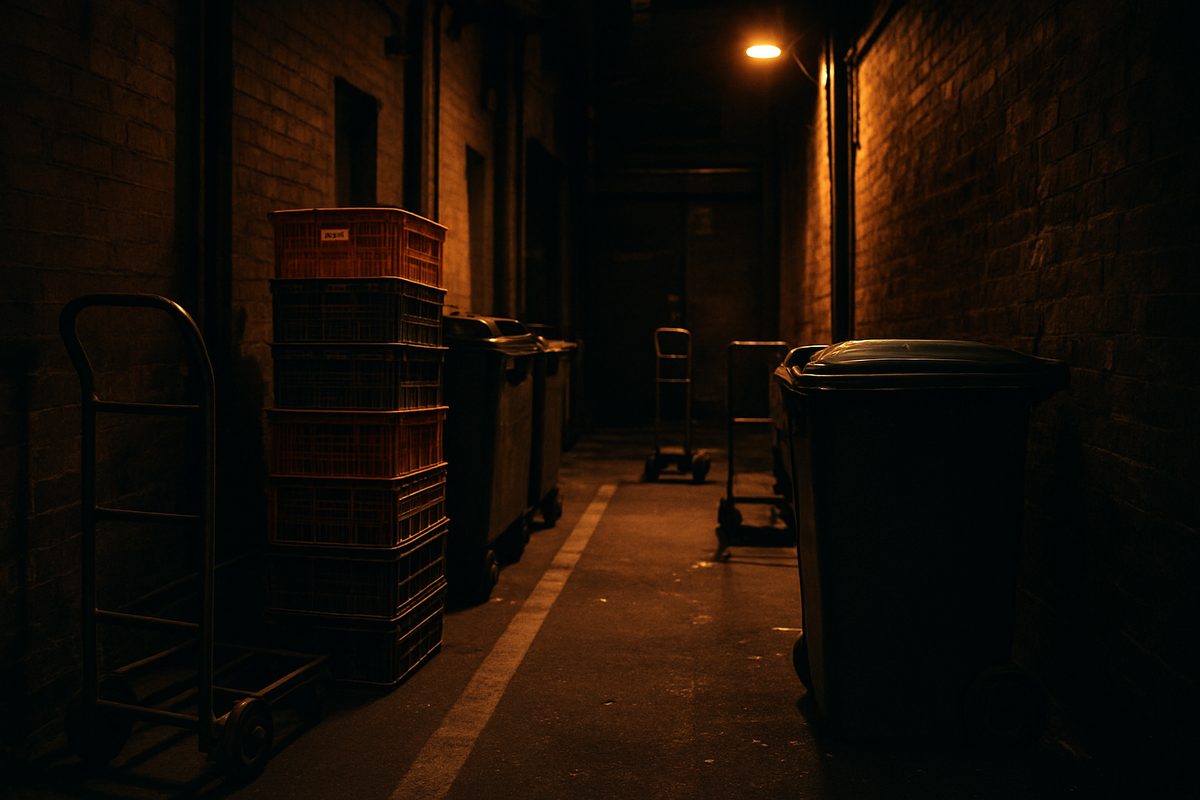
City-center restaurants and bars rarely control the curb. A delivery van, a waste truck, and a prep cook often need the same shared loading bay within the same short window. When the receiving door is tight and storage is minimal, restaurant deliveries waste city venues in ways that are easy to feel but harder to fix: crushed cardboard by the back door, blocked drains, missed collections, and food spoiling on a hand truck. The operational changes below reduce that loss by treating the shared bay as a controlled receiving point, not an open back lane.
Why a Shared Loading Bay Creates Delivery Waste
A shared bay is not a warehouse. It is usually a narrow service lane, a curb cut, or a rear courtyard that several addresses use by legal agreement or long habit. Deliveries arrive in waves because distributors route trucks by neighborhood, not by a kitchen prep schedule. Waste collectors want bins staged at the fence, but that same fence may be where a linen truck unloads. The result is double handling: a case moves from truck to ground, then ground to doorway, then doorway to storage. Each handoff increases damage and packaging waste. For a small city venue, the bay is not a back-of-house afterthought. It is a daily bottleneck that drives food waste, labor waste, and missed collections.
Restaurant deliveries waste city blocks most when three things arrive at once: dry goods, produce, and a waste hauler. The driver may leave a pallet in the lane because there is no dock. A cook has to stop prep to receive. Boxes sit in the wet zone while someone runs for a hand truck. Cardboard gets wet, labels become unreadable, and a bag of greens gets crushed under a case of oil. That single 15-minute overlap can push an entire day’s kitchen flow off schedule.

Receiving Discipline That Saves Space and Product
Receiving is where waste control starts. A tight dock is not an excuse to rush through the order and accept damaged goods. It is a reason to make every minute useful. The goal is to keep the truck in the bay for the shortest possible time while still checking what enters the building.
Set a realistic receiving window
Ask suppliers for a delivery window of no more than two hours and hold them to it. A wide window like 7 a.m. to noon is not a schedule. It is a reason for the kitchen to over-order or rush prep. If a truck arrives outside the window, have a clear rule. Some operators refuse the drop. Others accept it but log the miss. The log matters because a chronic late drop from a broadline distributor can justify a different delivery day or a smaller secondary supplier. The goal is not to punish drivers. It is to keep the bay from being occupied when waste must move.
Use a receiving checklist
Before a driver arrives, clear a small landing zone inside the back door. Keep a clipboard or tablet with the order sheet, a thermometer, and a box cutter. Check temperatures on cold items at the door, not after the driver leaves. Count cases before signing. Record short-dated items on the same sheet. This practice reduces the number of boxes that are accepted and later thrown out. It also shortens dock time, which keeps the lane clear for the next vehicle.
Reject packaging before it enters the kitchen
Many city kitchens pay to throw away supplier packaging. Ask suppliers to remove outer cases in the truck or to take back reusable crates, milk crates, and tray liners. If they will not, break down cardboard at the door and return slip sheets or pallets to the driver. The less material that crosses the threshold, the less waste you manage inside a small footprint. This is one of the cheapest changes available to a downtown bar or restaurant.
Waste Separation That Fits a Small Footprint
A small venue rarely has room for eight bins. The best system separates what your waste collector actually accepts and what your space can handle. In most city districts, a four-stream setup works: cardboard, mixed recycling, food waste, and general waste. Bars add glass. Coffee counters may separate grounds if a dedicated collection exists. The key is to make separation easy at the point of discard, not at the end of service. If a cook has to walk across the kitchen to reach the right bin, the system fails during rush.
Match bin size to collection frequency, not to delivery peaks
Waste volume does not arrive evenly. A Friday produce delivery creates a spike in cardboard and food trim. If you size bins for the peak, they occupy valuable bay space all week. Instead, schedule extra collections after heavy delivery days and keep the daily footprint small. Ask the waste hauler about split containers or compactors for mixed recycling. Many city haulers offer smaller and more frequent collections because their trucks are already in the district. You pay for the lift, not just the size of the bin.
Break down and crush at the source
Cardboard is the largest volume item in most receiving areas. A case left whole takes far more space than a flattened case. Install a wall-mounted box cutter near the door. Flatten boxes as they are emptied, not at the end of the night. If volume justifies it, consider a small vertical baler or a low-profile compactor. Both require power and service access, so check the lease and fire code before installing. For many small venues, a sturdy hand baler and daily pickup is enough.
Keep food waste cold or covered
Food waste in a warm back lane attracts pests and creates odor complaints. Use a lidded caddy inside and move it to the external bin only on collection day or when the hauler arrives. In hot months, keep a small refrigerated food waste bin if the kitchen has spare cold storage. If not, store food waste in sealed bags inside a closed tote. Do not let it sit in direct sun against a brick wall. Neighbors notice smell long before management does.

Layout and Flow in a Tight Shared Bay
Shared bays fail when every tenant treats the lane as storage. A simple layout system costs almost nothing and prevents most conflicts. Mark three zones with exterior floor tape: a drop zone for incoming deliveries, a staged waste zone for bins going out, and a clear travel lane from curb to back door. Use yellow for delivery, black or gray for waste, and white for the walk path. If the bay is shared with another business, align your tape colors or at least keep your zone boundaries visible. This removes the need for staff to negotiate with a driver every time.
Keep the path from curb to walk-in clear
The shortest path from the truck to cold storage is the most valuable floor in the building. Nothing should live in that path: no mop bucket, no stack of spare chairs, no empty kegs. During receiving, a clear path means one person can move a hand truck without lifting over obstacles. That reduces dropped cases, torn bags, and the kind of damage that becomes waste within hours.
Time waste moves to match delivery lulls
Do not move bins to the curb during delivery windows. The same staff who receive products are also the staff who haul waste, and the same lane serves both. Pick a fixed waste staging time after the main delivery pass. Many city kitchens move bins between mid-morning and late morning, then again after lunch if space allows. A written time prevents the afternoon line cook from dragging a bin through a linen drop.
Supplier and Logistics Rules That Lower City Delivery Waste
The easiest waste reduction happens before a case arrives. Suppliers respond to venue rules when the rules are short, repeated, and enforced. Put delivery requirements in writing and attach them to purchase orders with your sales rep. City distributors are used to tight doors and quick turns. They will often adjust if the request is specific, such as no shrink wrap on small orders, no nested boxes, or no pallet drop without notice.
Consolidate delivery days
Fewer drops mean fewer trips into the bay and less packaging per case. Ask a broadline supplier to consolidate dry, refrigerated, and frozen goods on one truck where possible. For produce, order two or three times a week instead of daily if your cooler can manage the inventory. The tradeoff is storage, so do not over-consolidate. The goal is to match delivery frequency to real shelf life, not to a sales rep’s suggested order cycle.
Request returnable transport packaging
Reusable crates and trays reduce waste far more than cardboard recycling. They also stack better in a small bay. Ask produce and bakery suppliers about returnable plastic crates. You may need to track deposits and returns, but the labor is small compared with cutting and hauling cardboard. For wine and spirits, request bottle returns on the same truck that drops the next order. This avoids a separate trip.
Use electronic proof of delivery and a camera view
Most distributors now offer an electronic delivery receipt. Use it to note short-dated items, damage, and missing cases at the door. A simple security camera or even a phone photo of the bay before and after delivery resolves disputes about blocked lanes and missed pickups. The point is not surveillance. It is a record that helps you ask for credit on damaged product before it becomes waste.
Daily Closing Checklist for the Bay
A short closing routine gives the morning crew a clean start. It also prevents waste from accumulating overnight in a shared lane.
- Flatten all cardboard and stack it in the assigned recycling zone.
- Move food waste caddies to the external bin only at the scheduled time.
- Clear the travel lane from back door to curb.
- Check the delivery log for late drops, damage, and short-dated goods.
- Confirm the next day’s receiving window with the opening manager.
- Photograph the bay if a pickup was missed or a bin was left in the lane.
- Lock or cover bins to prevent fly-tipping from neighboring addresses.
Common Mistakes That Keep the Bay Clogged
Overordering to avoid a stockout
Many city chefs order a little extra because storage is tight and they fear running out. That extra case becomes waste when a delivery arrives late or a rush changes the menu. Track actual usage by item and use the receiving log to correct orders weekly. An over-order hidden behind the ice machine is a future trash pull.
Staging waste too early
Bins placed at the curb in the evening for an early morning pickup sit through rain, insects, and foot traffic. In many city districts this also violates local code. If your collector requires evening staging, use a secured bin enclosure and accept the space tradeoff. Otherwise stage closer to pickup time.
Ignoring the shared part of the bay
A shared bay works only when tenants coordinate. If the neighboring kitchen has a produce drop at the same time your waste bin blocks the lane, both businesses lose. Talk to the neighboring manager about fixed windows. A five-minute conversation once a week prevents daily friction and spoilage.
When a Curb Management Program or Upgrade Helps
Some city districts have loading zone pilots, timed curb access, or waste hub programs run by a business improvement district. If your block has high delivery volume, a shared compactor or a managed waste station can reduce daily lifts and truck trips. Look at the total daily labor spent on bay moves. If two staff members each spend a significant part of the shift on cardboard, food waste, and bin staging, that is a real operating cost. An upgrade does not need to remove that labor completely. It needs to shift it from crisis to routine.
Before adding equipment, measure the actual flow. Watch the bay for a week during the busiest receiving hour and the main waste staging time. Count how many boxes cross the doorway, how many times the lane is blocked, and how many minutes staff wait for a driver. This is not a formal study. It is enough detail to decide whether the problem is scheduling, layout, or bin capacity. In most small city venues, the fix is procedural before it is mechanical. When the shared bay is managed well, restaurant deliveries waste city spaces far less, and the whole block runs cleaner.